
July 24, 2026
Prague and Budapest are often compared because both cities offer grand architecture, strong history, affordable travel options, river views, and enough cultural depth for a short European break. They are close enough to combine in one trip, but different enough that choosing between them can shape the whole mood of a holiday.
Prague is the cleaner postcard. Budapest is the deeper mood. Prague impresses quickly, while Budapest often grows stronger over a few days. The better choice depends on whether the trip should be about perfect streets and famous sights, or food, atmosphere, nightlife, and a slightly more lived-in city experience.
Architecture and First Impression
Prague — 10/10
Budapest — 8/10
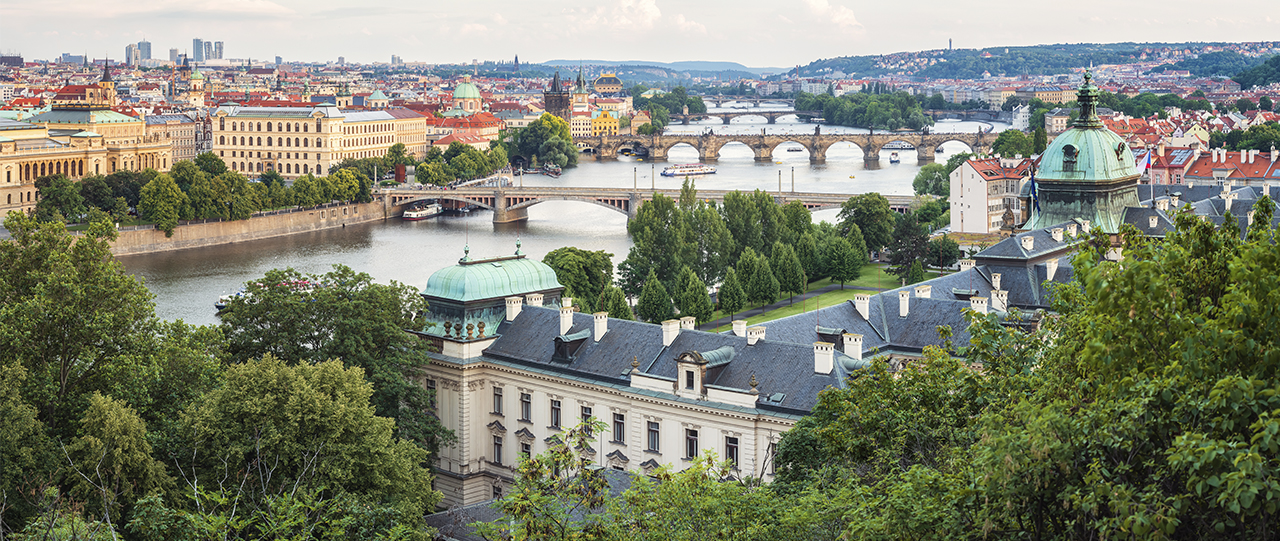
Prague wins this category almost immediately. The city looks like the version of old Europe many travellers imagine before they arrive: Gothic towers, pastel streets, ornate churches, cobblestone lanes, and castle views over the river. The historic centre is compact, polished, and easy to enjoy even without a strict plan.
Prague Castle, St. Vitus Cathedral, Charles Bridge, Old Town Square, and Golden Lane create a cityscape that feels unusually complete. Much of the city avoided large-scale destruction, so the visual continuity is one of Prague’s greatest strengths. It is the kind of place where simply walking can feel like sightseeing.
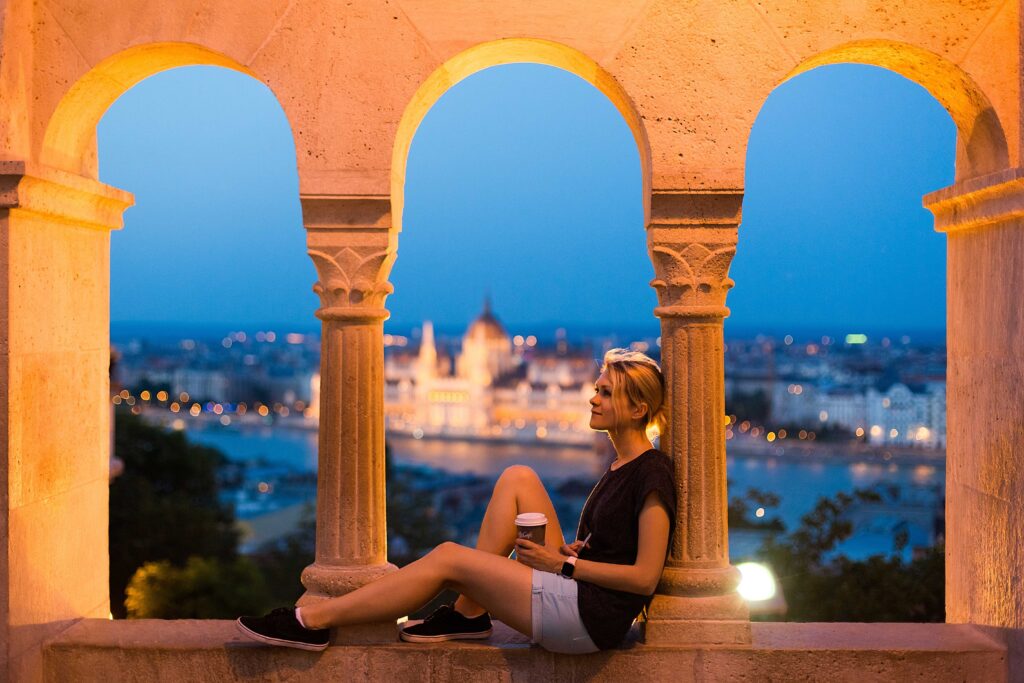
Budapest is beautiful too, but in a different way. Its buildings often feel larger, heavier, and more dramatic, with the Danube giving the city a grand horizontal scale. The Hungarian Parliament, Buda Castle, Fisherman’s Bastion, Chain Bridge, and the illuminated riverfront are especially impressive at night.
The difference is that Prague feels more polished from the first hour, while Budapest feels more powerful after some wandering. Prague is prettier. Budapest is more atmospheric.
Food and Restaurants
Prague — 6/10
Budapest — 9/10
Budapest is the stronger food city for most travelers. Hungarian food is rich, direct, and satisfying, with goulash, paprika sauces, duck, pork dishes, cabbage, dumplings, sausages, and market snacks all forming a clear culinary identity. It also tends to feel more generous in terms of service and value.
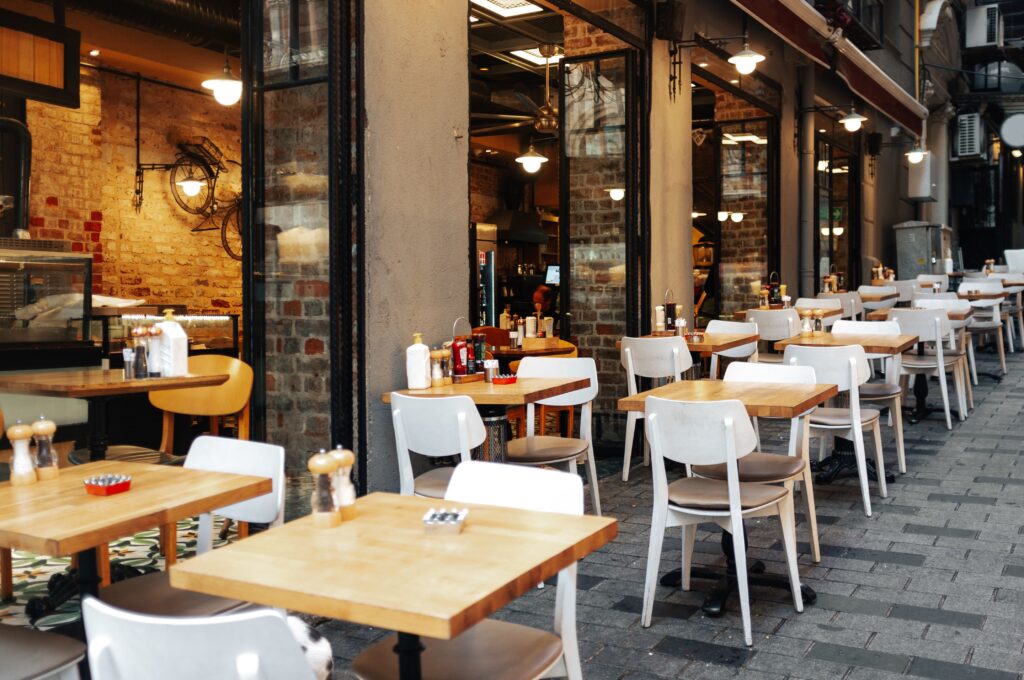
A good Budapest food day can include coffee in a historic café, lunch at the Central Market Hall, and dinner at a traditional bistro. The city makes it easy to connect sightseeing with eating, especially on the Pest side. For travelers who like to understand a destination through food, Budapest gives more to work with.
Prague has good food, but it can be uneven. Czech beer is excellent, and classic dishes such as sausages, potato pancakes, sauerkraut, roast meats, and goulash can be very satisfying when chosen well. However, tourist-heavy areas can make the food experience feel less reliable.
The safer approach in Prague is to research restaurants before arriving and avoid choosing only by location. The safer approach in Budapest is simpler: follow traditional dishes, markets, and smaller restaurants, and the city will usually reward the effort.
Nightlife
Prague — 8/10
Budapest — 8/10
Prague has a strong nightlife scene, especially for groups. Bars, clubs, cheap beer, late-night walks across Charles Bridge, New Year’s Eve celebrations, and classic party areas make it an easy city for travelers who want energy after dark. It is also popular with stag weekends and large groups, which can be either a benefit or a drawback depending on the trip.
The main issue in Prague nightlife is not the lack of options. It is the tourist pressure. Some parts of the center can feel like they were built around visitors who are there mainly to drink, and taxi problems or inflated prices can become part of the experience if travelers are not careful.
Budapest has a different nightlife identity. Its ruin pubs are one of the most distinctive bar scenes in Europe, with Szimpla Kert usually the best-known example. These bars often occupy old or abandoned spaces, turning them into layered, chaotic, creative social venues.
Budapest may feel less polished than Prague at night, but it has more character. Prague is better for a classic party weekend. Budapest is better for travelers who want nightlife with a sense of place.
People and Travel Comfort
Prague — 6/10
Budapest — 8/10
Budapest often feels more welcoming on a practical level. Visitors may find it easier to ask questions, get recommendations, and understand what to order in restaurants. English is widely useful in tourist areas, and service can feel warmer than expected.
Prague is very used to tourism, but the city center can sometimes feel tired of visitors. This does not mean people are unfriendly everywhere, but the travel experience can feel more transactional, especially around the busiest streets and attractions.
This difference matters because both cities are easy enough to visit, but Budapest often feels more relaxed once the trip begins. Prague is beautiful, but it can feel crowded and heavily managed. Budapest has tourist zones too, but the city still leaves more room for ordinary local life.
Budget and Value
Prague — 7/10
Budapest — 9/10
Both cities can work for budget travelers, but Budapest usually offers better value. Food, drinks, local transport, and casual restaurants can offer strong quality without pushing the trip into expensive territory. Travelers who want a comfortable but affordable city break may find Budapest easier to manage.
Prague is still more affordable than many Western European capitals, but its popularity has changed the center. Prices around major attractions can rise quickly, and the most tourist-facing parts of the city do not always deliver the best value.
The important rule for both cities is the same: move slightly away from the most obvious streets. In Prague, that can improve both price and quality. In Budapest, it can turn a good trip into a much better one.
Final Verdict
Prague — best for sights
Budapest — best for atmosphere
Prague is the better choice for first-time travellers who want fairy-tale architecture, famous landmarks, compact sightseeing, and a city that looks impressive almost everywhere. It is also a strong choice for groups, short stays, and travellers who want a classic Central European city break.
Budapest is the better choice for food, mood, nightlife character, value, and a more layered urban experience. It may not be as instantly perfect as Prague, but it has a stronger sense of discovery and a more memorable everyday atmosphere.