
July 24, 2026
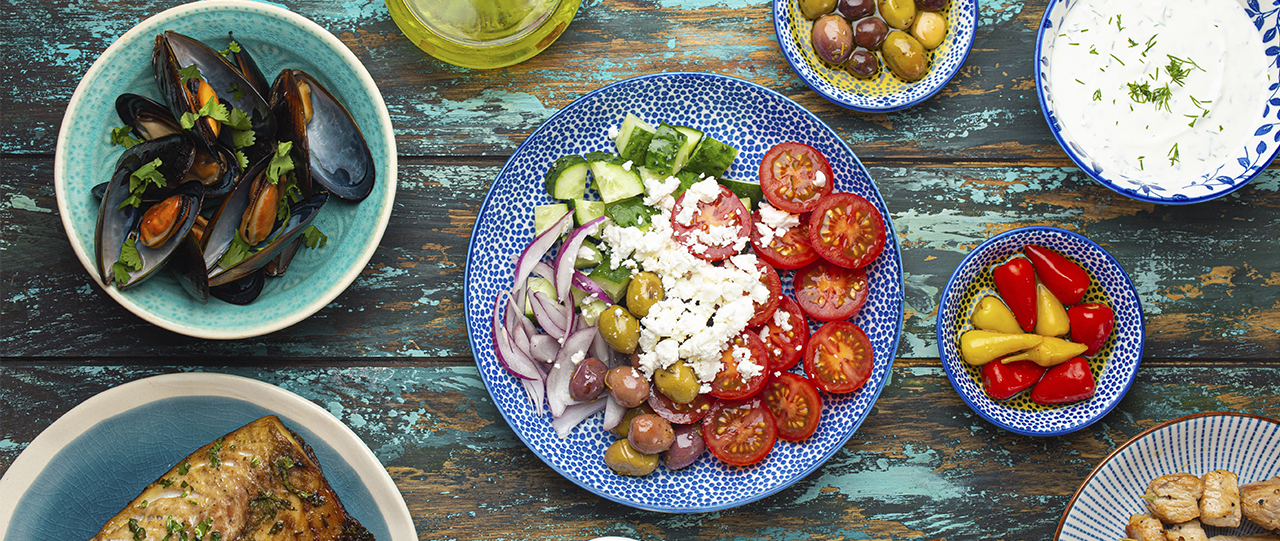
Greek food is often described through the Mediterranean diet, but the real travel experience is usually much richer, heavier, and more generous than that phrase suggests. A good trip to Greece can include fresh salads and olive oil, but it can also bring fried cheese, slow-cooked meat, thick yogurt, stuffed grape leaves, rich sauces, and warm pita filled with everything a traveller needs after a long day.
For visitors, Greek cuisine works best when it is approached through simple dishes rather than complicated restaurant plans. The food is direct, social, and built around ingredients that do not need much explanation once they reach the table.
Start with Cheese
Cheese is one of the easiest ways to understand Greek food. Feta appears everywhere, from classic Greek salads to pastries and baked dishes. In Greece, feta often tastes sharper, creamier, and more complete than the versions many travellers know from supermarkets abroad.
Baked feta is especially worth trying. It is often served warm, sometimes with tomato, pepper, herbs, or olive oil, and works well with pita or bread. It is simple, but it gives a clear sense of how Greek cooking can turn a basic ingredient into a full dish.
Saganaki is the stronger choice for travellers who like salty, fried, intense food. The cheese is pan-fried until the outside becomes crisp and golden, while the inside stays warm and slightly stretchy. It is usually served as a starter, but it can easily become the dish people remember most.
Greek Yogurt, Dolma and Small Plates
Greek yogurt deserves attention because it is not just a breakfast product. In Greece, it can be very thick, almost dense, and works beautifully with honey and walnuts. The combination balances acidity, sweetness, and texture, making it one of the simplest but most satisfying things to eat in the morning.
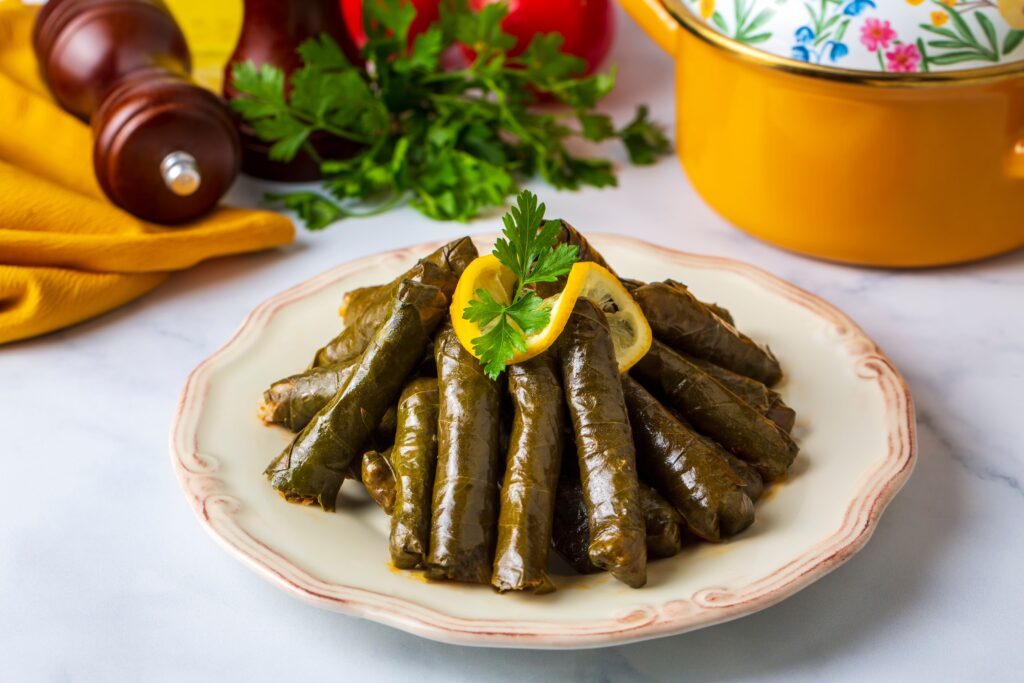
Dolma is another useful dish to order early in a trip. These stuffed grape leaves are usually filled with rice, herbs, and sometimes meat, then served cold or warm. With tzatziki on the side, they become a light but memorable starter.
Small plates are important in Greece because they allow travelers to sample multiple flavors at once. Eggplant spreads, pita, cured meats, olives, cheeses, and dips can turn a quick stop into a full meal without needing a formal main course.
Stifado and Moussaka
Stifado is a strong choice for travelers who want something deeper and warmer. It is usually made with slow-cooked beef, onions, and a rich sauce that works perfectly with bread. The dish feels closer to a stew than a light Mediterranean plate, which makes it especially satisfying in cooler weather or after a long day of walking.
Moussaka is one of the most famous Greek dishes for good reason. It is often described as a Greek-style layered bake, usually made with eggplant, minced meat, cheese, and béchamel sauce. The result is rich, soft, savory, and filling.
Both dishes show a different side of Greek cooking. They are not fast snacks or light salads. They are full meals, built around slow preparation and strong comfort.
Gyros for a Quick Meal
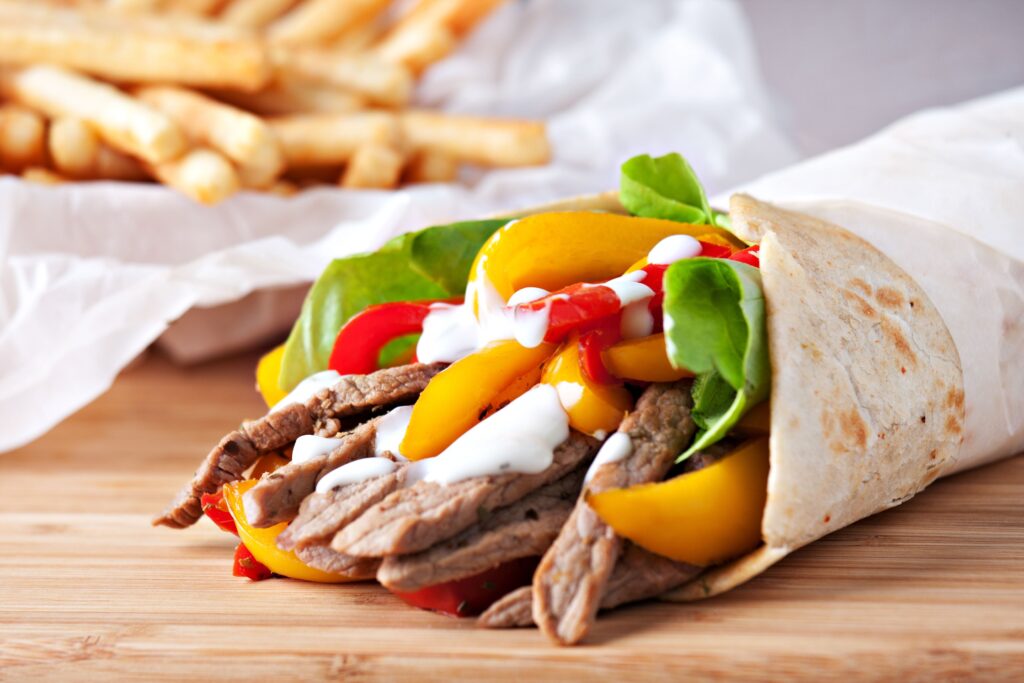
Gyros is the practical hero of Greek street food. It is affordable, easy to find, and filling enough to replace a full lunch. A typical gyros includes thinly sliced meat, tomato, onion, tzatziki, and fries wrapped inside a thick pita.
The best part is that gyros do not need a special occasion. It works between sightseeing stops, after the beach, late at night, or when there is no time for a proper restaurant meal. Some versions are better than others, but the format is almost always useful.
Final Thoughts
Greek food is not only about healthy Mediterranean habits. It is also about generosity, texture, cheese, bread, grilled meat, slow-cooked sauces, and simple dishes that become memorable when served with confidence. For a first trip, the best approach is easy: try the cheese, order small plates, save room for moussaka or stifado, and keep gyros as the reliable answer whenever hunger arrives between plans.